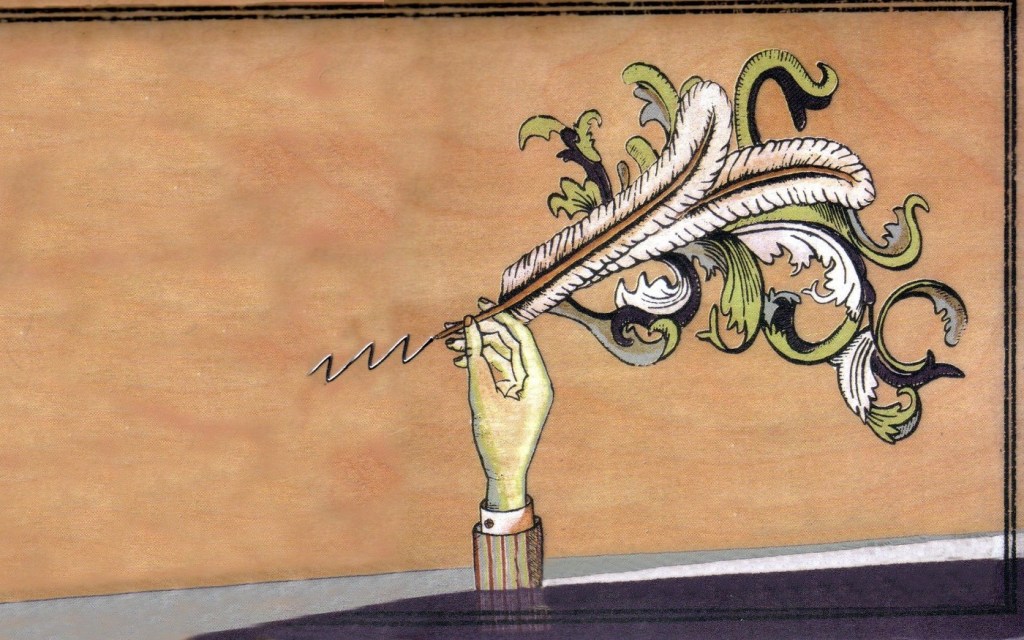
Arcade Fire is the second band in a row to defy my preconceived notions of what they would sound like, though less thoroughly this time. Their sonic palette is similar, but by no means identical, to what I imagined, but their lyrical subject matter and general songwriting style is a far cry from the kind of clichés I was expecting. It was a pleasant surprise.
The first few tracks’ lyrics seem to be a hazy, artful representation of a child experiencing events they don’t yet fully understand, or perhaps which are only partially remembered by their adult selves. It’s evocative of breezy autumn evenings in days gone by (or maybe that’s just because the evenings are breezy and autumnal as I write this), and it’s certainly a different and interesting subject matter. Neighbourhood #3 (Power Out) continues this trend with an angrier bent to it, though this track introduces a pet peeve of mine: poor vocal mixing. It sounds as though the singer is being recorded from another room, and half the lyrics are unclear. It’s an artistic choice rather than a mistake, but it’s one I almost always disagree with.
Neighbourhood #4 (7 Kettles) breaks the trend by bringing things into the present tense, with a much simpler, stripped back song with, perhaps for the first time in this list, a genuinely interesting and thought-provoking message with some depth behind it. It somehow managed to break past my cynicism.
The lyrics aren’t perfect though. They hide another of my pet peeves, in this case putting the accent on the wrong syllables. It’s an infrequent issue and possibly just a result of me being overly harsh, but it’s an irritation I’d be remiss to ignore.
At this point I’m on the sixth track of ten, Crown of Lies, and Funeral is yet to throw a truly bad track at me. Little problems aside, I’ve enjoyed them all to a greater or lesser extent. And now, Wake Up has arrived and thrown a harp into a rock song, so it gets even more points for having done that. Crown of Lies and Wake Up also both run for around four minutes at a fairly subdued tempo, before dramatically speeding up for their final sections, just when they would’ve gotten boring otherwise. Many other bands could learn a thing or two from Arcade Fire.
What’s missing at this point is a really good melody. I understand that the goal wasn’t necessarily to create crowd-pleasing singalong mega hits, but that doesn’t have to be the mindset to write a good tune. The vocal melodies, especially in Haiti, seem like an afterthought, thrown together after the lyrics and arrangements were written with no concern for memorability. There are some riffs in the instruments with a bit more substance, but not much.
The penultimate track, Rebellion (Lies), is more like what I’ve been after, though my writing about it was thrown off track by the arrival of the fascinating In The Back Seat, which grabbed my attention from the beginning and held it to the end, which is unusual for its beefy 6-minute length. The interest came from several factors; the instrumentation the likes of which I’ve rarely heard before, the return to the hazy, almost hallucinatory lyrics about a half-forgotten past, the eerie vocals of Régine Chassagne, who hadn’t been heard much up to this point, and the way it paced itself across its runtime. It made the aforementioned Rebellion (Lies) (and, to an extent, the whole rest of the album) seem quite pedestrian.
Funeral was a nice change of pace, more modern, more indie, more “artsy” but not in a pretentious way. There was substance and meat to the songwriting, and the imagery was compelling and strong. There was also not a single song that went on for too long, so Arcade Fire gets major points for that. If the melodies had been stronger and I could imagine myself singing some of these songs in the car, this probably would’ve broken past the elusive four-star barrier.
Favourite Track: In The Back Seat
Next Time: The White Stripes – Elephant.
 Nick Hoad
Leave a comment